
HUD plans to allow factory-built homes without permanent metal chassis
The federal government is finally updating its outdated housing rules.

The short version
- They want to allow homes built without a permanent metal chassis.
- This change helps builders create multi-story homes in busy neighborhoods.
- It could make factory-built housing much more common and cheaper.
Why it matters to you. If you are a developer or a builder, this could eventually open up new ways to add density to your land without the slow pace of traditional site-built construction.
The days of the bulky metal frame under every factory-built home may be numbered. The U.S. Department of Housing and Urban Development just released a seven-step action plan to modernize the federal code for manufactured housing. For years, federal law required every factory-built home to sit on a permanent steel chassis, which limited how these homes looked and where they could be placed.
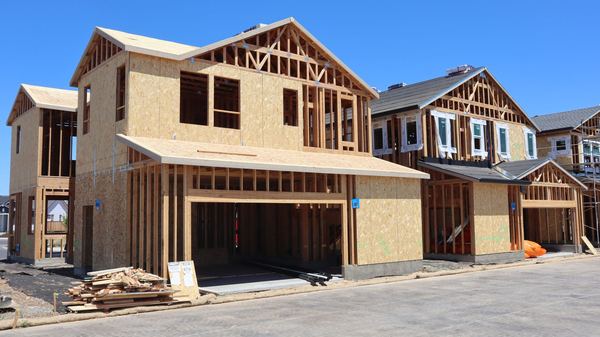
Now, the agency is moving toward a chassis-free future. This shift is meant to help manufacturers build multi-story homes that fit into tighter, urban, and suburban lots.
The agency also plans to create a new federal code for buildings with five or more units, aiming to make repeatable, factory-built apartment projects easier to approve. However, the agency has not set a firm date for when these rules will actually take effect.
They are currently planning case studies to see how these new homes handle transportation and foundation work in the real world. For now, it is a waiting game to see how fast the bureaucracy moves. If they succeed, it could change how we think about building affordable housing in our own backyards.
It is a big shift for a system that has been stuck in the same gear for decades.
About HUD
Cabinet department in the Executive branch of the United States federal government
- Founded
- 1965by Lyndon B. Johnson
- Based in
- Robert C. Weaver Federal Building
- Owned by
- Federal Government of the United States
From Wikipedia. Figures can be a year or two old.